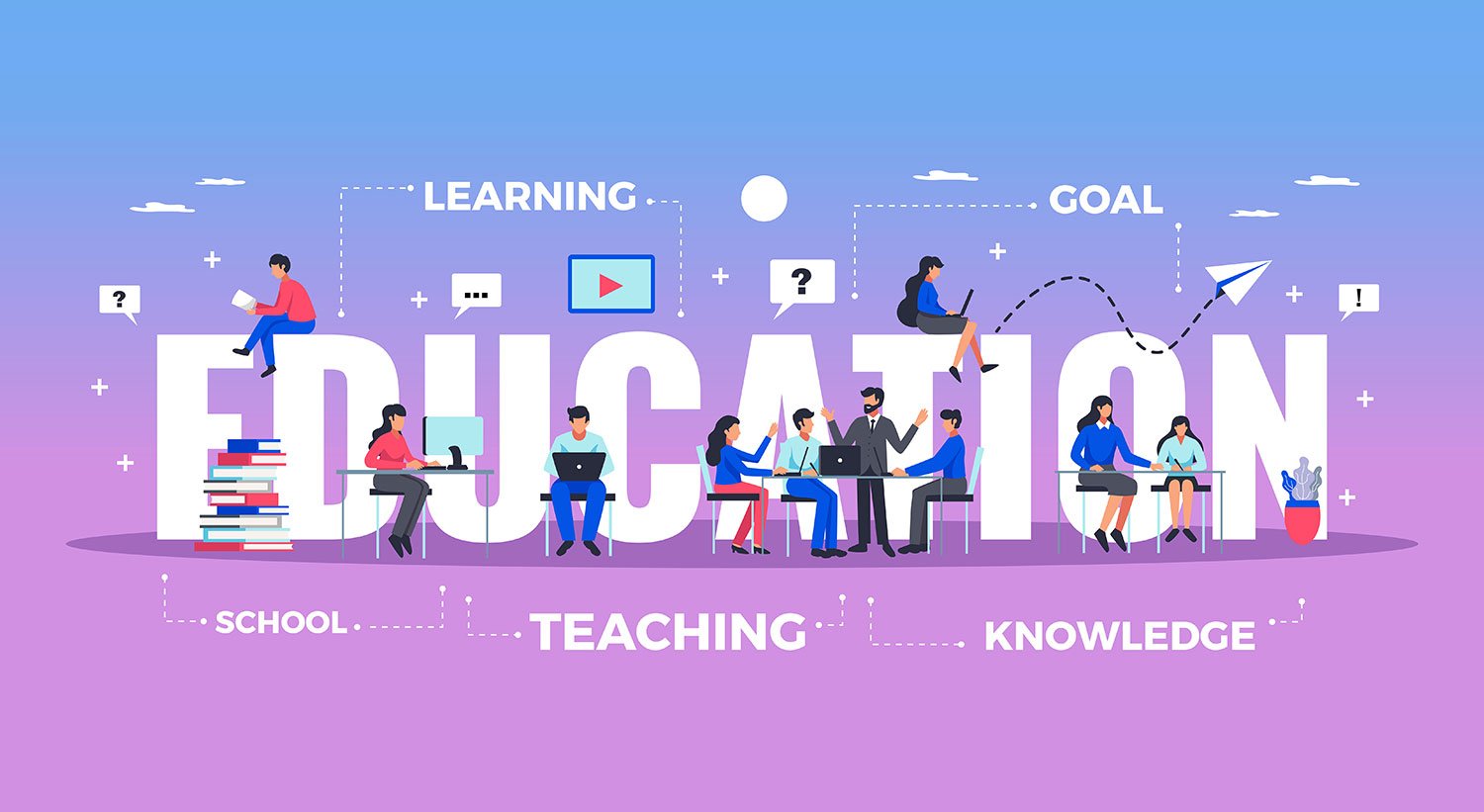
Education today is evolving rapidly. Technology, changing student needs, mental health concerns, and performance pressures are reshaping classrooms.
In this environment, the goal is no longer just academic excellence — it is resilience.
A resilient education system adapts to change, supports emotional well-being, and prepares students for an unpredictable future.
1. Empower and Support Teachers
Teachers are the foundation of resilience. Schools must invest in:
- Continuous professional development
- Modern pedagogy and technology training
- Mental well-being and burnout prevention
Confident teachers create stable, adaptive classrooms.
2. Prioritize Student Well-Being
Academic strength depends on emotional strength. Schools should integrate:
- Life skills education
- Stress management tools
- Emotional regulation strategies
- Growth mindset practices
Resilient students are better learners and future leaders.
3. Integrate Technology Responsibly
Technology should enhance teaching — not replace human connection. Responsible digital integration improves efficiency while preserving empathy and critical thinking.
4. Focus on Holistic Growth
Resilient institutions measure more than marks. They track:
- Engagement
- Behavioral growth
- Skill development
- Emotional well-being
Building a resilient education system requires vision, structured training, and a balance between innovation and humanity.
Resilience is not about avoiding change —it is about growing stronger through it.